

SEO
On-Page SEO: How to Optimize Every Website Page
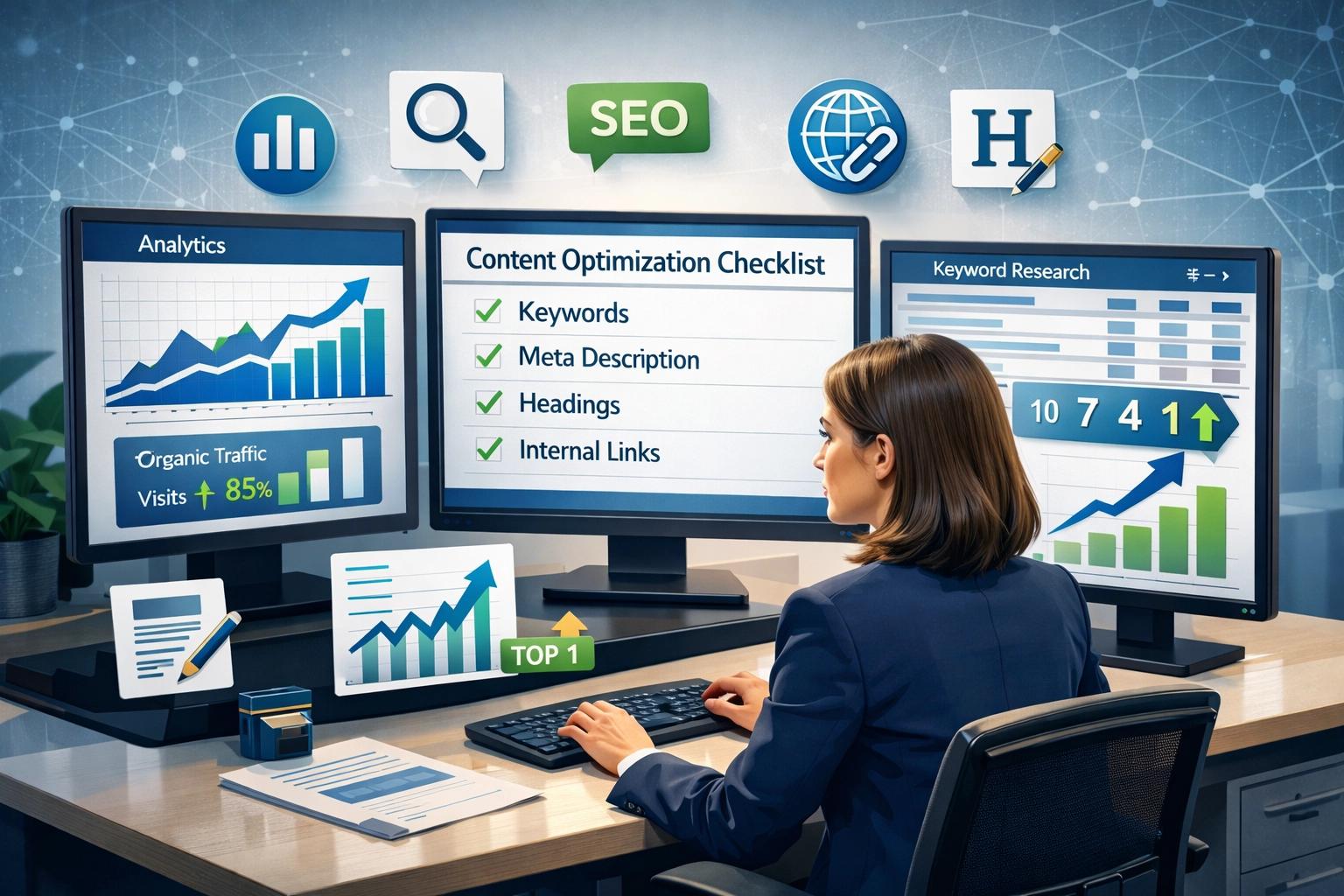
On-page SEO means optimizing the information and elements found directly on a website page. It helps Google understand the page and makes the content easier for visitors to use.
Write a Clear SEO Title
The SEO title should explain the page’s subject and include its primary keyword. It should also be attractive enough to encourage people to click.
Create a Strong Meta Description
The meta description provides a short summary of the page in search results. It should communicate the benefit of visiting the page and include the target keyword naturally.
Organize the Headings
Use one main title and divide the article into clear sections with subheadings. This helps visitors scan the content and understand its structure.
Optimize the URL
Keep the URL short and descriptive. A clear URL is easier to understand and share than one containing random numbers or unnecessary words.
Include Helpful Internal Links
Link to related services, products, or articles. Internal links guide visitors through the website and show search engines how the pages are connected.
Improve the Images
Images should have suitable dimensions, compressed file sizes, descriptive names, and alternative text. They must support the subject instead of being added only as decoration.
End With a Clear Action
Tell visitors what to do next, such as contacting the business, requesting a quotation, booking a consultation, or reading another article.
Conclusion
Good on-page SEO combines relevant keywords, helpful content, clear structure, optimized images, and an easy user journey.
Got a project simmering?
Tell us what you're building — we'll tell you how to make it erupt.