

Mobile Application
The Benefits of Play-Based Learning
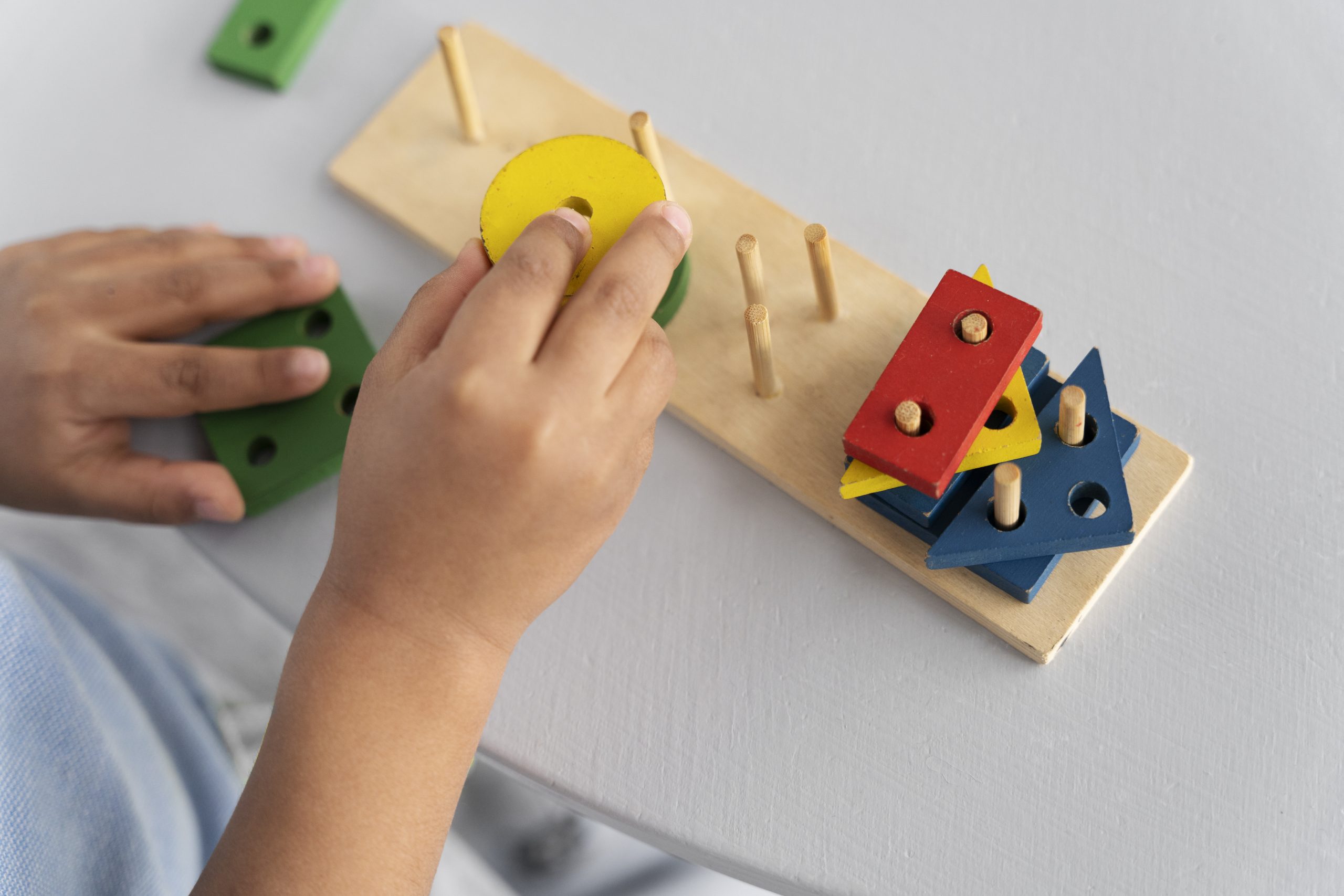
The Benefits of Play-Based Learning in Early Childhood
Play-based learning is one of the most effective ways for young children to develop essential life skills. It combines education with fun activities that encourage creativity, exploration, and discovery.
What Is Play-Based Learning?
Play-based learning allows children to learn naturally through games, storytelling, building activities, and group interaction. It helps children develop skills without pressure or formal instruction.
Cognitive Benefits
Play improves problem-solving skills, memory, and critical thinking. Activities like puzzles, role play, and building blocks help children understand concepts in a hands-on way.
Social Skills Development
Through group play, children learn cooperation, sharing, and teamwork. They also develop communication skills and learn how to interact with others respectfully.
Emotional Growth
Play helps children express emotions, build confidence, and manage feelings in a healthy way.
Physical Development
Active play improves coordination, balance, and motor skills. Outdoor activities are especially important for physical health.
Conclusion
Play-based learning creates a strong foundation for lifelong education. It makes learning enjoyable while supporting every area of child development.
Got a project simmering?
Tell us what you're building — we'll tell you how to make it erupt.